Can You Sell Diabetic Test Strips Before They Expire?
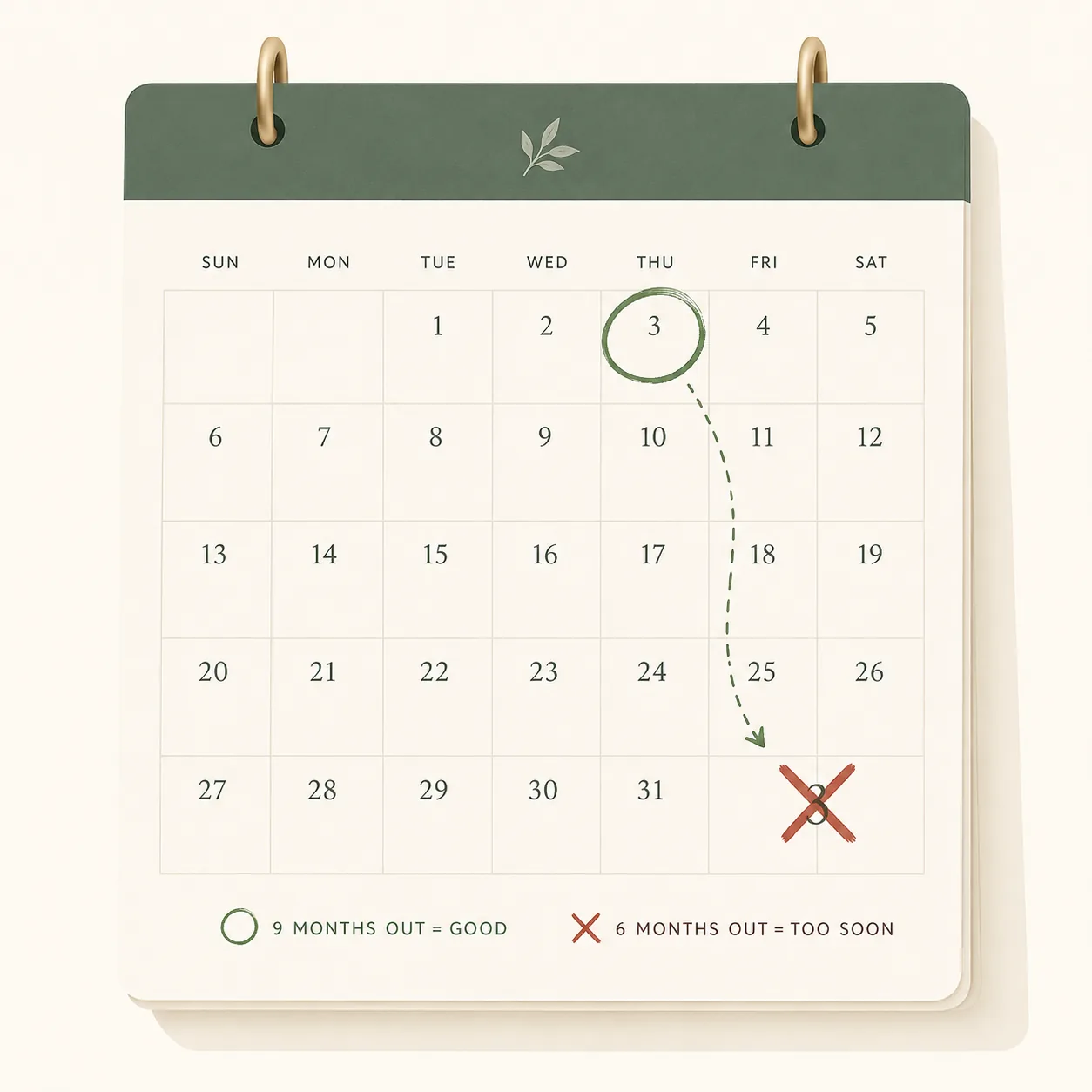
You can sell diabetic test strips before they expire — and for most people with extra supplies, earlier is the better move. The expiration date on the box is the number that drives the offer. <strong>Test strips with 9 or more months remaining</strong> qualify for the full buyback price. Once that window closes, the offer comes down — and once the date has passed, the strips cannot be bought at all. If you have a box you know you will not use, it pays to find out what it is worth now rather than waiting to find out it was worth less.
Sealed and unexpired is where it starts
Before the expiration date matters, the box itself has to check out. A sealed, undamaged box is the starting point — an opened box cannot be resold, no matter how much time is left on it. Box damage bigger than a quarter is also a hard no, regardless of the date. If the seal is intact, the packaging is clean, and the expiration date is still in the future, you are in the right window. The only question then is how much runway is left on the date — and that sets the price. Check how to know if test strips are still good if you are not sure whether the box condition qualifies before you contact us.
What 9+ months out gets you
Nine or more months from the printed expiration date is the full-price tier for test strips. At that range, a sealed, undamaged box qualifies for the standard buyback rate. In Worcester County that looks like: Accu-Chek Guide 50ct up to $7, FreeStyle Lite 100ct up to $20, FreeStyle Lite 50ct up to $15. For brands like OneTouch, Contour Next, TRUE Metrix, or Accu-Chek Aviva, text a photo to (617) 702-2220 — pricing on those comes back off the photo because the market on them moves.
CGM sensors run on a slightly different calendar. FreeStyle Libre 2 and Libre 3 sensors need 7 or more months out for the full rate, up to $30 each. Dexcom G7 singles are up to $35 at 7+ months; G7 15-day singles are up to $50; Dexcom G6 3-packs are up to $120. Omnipod 5 five-packs go up to $120 and Omnipod Dash five-packs up to $70, both at the 7+ month mark. Whether strips or sensors, the printed expiration date on the box is the single most important number to have in hand before reaching out. The FDA requires manufacturers to establish shelf-life data for home-use devices like glucose meters and test strips, which is why the expiration date carries real weight in the resale market — the strips have a defined performance window and buyers price to it.
The 3–8 month range: worth checking, not worth assuming
Test strips with 3 to 8 months left are still worth sending a photo on. The offer in that window is not a flat rate — it depends on the brand, the count, and how close to the date the box is. Some come back close to full price, some with a partial offer, and some with a deduction that is smaller than people expect. The fastest way to find out is to text a photo of the box front and expiration date to (617) 702-2220. A quote comes back within about 60 minutes during business hours.
The practical reality of the 3–8 month window: the sooner you check, the higher the ceiling. Waiting another month or two to see how things go does not help. If you have already decided you will not use the strips, the right time to find out what they are worth is now, while they still have enough runway to negotiate from a stronger position. An expiration date that crosses from 4 months to 2 months while the strips sit in a drawer is not recoverable.
Why waiting usually costs something
The most common version of this situation we run into: someone switched brands or moved to a CGM, held onto the old strips just in case, and six months later texts a photo with 2 months left on the box. The offer is lower than it would have been, or zero.
One customer switched off FreeStyle Lite strips when their doctor moved them to a CGM. They had 15 boxes of FreeStyle Lite left over from the old setup. Those strips were still sealed, still in the right window, and the payout from the lot covered the entire CGM co-pay — the transition cost them effectively nothing out of pocket. That outcome happens when you act while the strips still have time on them. The same 15 boxes with 2 months left would have paid out at a fraction of that, if at all. The expiration date is not something to let run.
One thing worth saying directly: we only want what you actually do not need. If you are not sure whether you will need those strips in the next few months, do not sell them — find out first. We have done this for long enough to know that cash now for supplies your health might need later is not a trade anyone should make without thinking. Take care of your health first. If you genuinely have extra that will not get used, that is what the buyback is for.
How quoted prices actually work
A lot of buyback companies lead with "top dollar" — that is the advertised rate, not the price once they have your box in hand and can knock it down for any reason they choose. The deduction happens after you have shipped the strips, at a point where you have no leverage. They decide the strips have 4 months left instead of the 6 you thought, or the corner of the box is dinged, and the price drops. You have already put the box in the mail.
We quote off the photo and that number does not change at the meetup. Over 2,000 pickups and $250,000+ paid out, the price from the photo is the price you walk away with — cash, Cash App, or Venmo, paid the day of the pickup, before the box leaves your hand. If you want to see how that compares to the mail-in model, local pickup versus mail-in buyback has the full side-by-side.
How to get a quote on what you have
Text a photo of the box front and expiration date to (617) 702-2220. One clear photo per brand, box front visible, expiration date legible. If you have a mix of brands, a single shot of everything laid out flat works — no need to photograph each box separately. A quote comes back within about 60 minutes during business hours: Mon–Sat 9am–6pm, Sun 11am–4pm.
If a box has a pharmacy label still on it, photograph it as-is. Do not peel the label — peeling almost always damages the box packaging and turns a clean payout into a deduction or a pass. We remove and shred pharmacy labels at the office.
Once the quote is set, pickup covers Worcester County and about 25 miles out. Most pickups in the core Worcester area go same day. Surrounding towns are usually within 24 hours. Read how to package diabetic supplies for a buyback pickup for a quick rundown on what to do between the quote and the meetup. The American Diabetes Association has background on why people transition between monitoring methods if you want context on how stockpiles like this build up in the first place.
Frequently asked questions
What is the best expiration date range for selling test strips?
9 or more months from the printed expiration date is the full-price tier for test strips. CGM sensors like Dexcom and FreeStyle Libre need 7 or more months out for the full rate. The further you are from the expiration date, the higher the payout — so selling earlier is almost always better than holding.
Can I sell test strips that expire in the next 3–6 months?
Yes, strips in that window are still worth getting a quote on. The offer varies by brand, count, and how close the date is — there is no flat rate for that range. Text a photo of the box front and expiration date to (617) 702-2220 and a quote comes back within about 60 minutes during business hours.
Do buyback companies pay less for strips that are closer to expiring?
Most do, yes. Standard pricing applies at the 9+ month mark for test strips; inside that window, pricing varies and tends to come down the closer the date gets. The practical move is to get a quote from a photo while you still have runway on the date, rather than waiting to find out the offer has dropped.
What if I have a box with a pharmacy label on it?
Send a photo of the box with the label still on it. Do not peel the label yourself — peeling almost always damages the box packaging and can turn a clean payout into a deduction or a hard pass. We remove and shred pharmacy labels at the office before the strips move anywhere.
How do I find the expiration date on my test strips?
The expiration date is printed on the box, usually on the side or bottom panel. It is typically in Month/Year format — for example, 08/2027 means the strips expire in August 2027. That date is the number that drives the quote. If the date is hard to read or the box condition is unclear, text a photo and we will quote off what we can see.
Is there a minimum amount of time left on the box to sell at all?
There is no hard minimum on the time-remaining side — strips with a few months left can still generate a quote, though the offer will reflect the shorter window. The hard cutoff is the printed expiration date itself: once that date has passed, the strips cannot be bought. Anything before that date is worth asking about.
What if I am not sure whether I will need the strips in the next few months?
Hold onto them. We only buy what people genuinely do not need. If you are between brands, switching to a CGM, or sitting on a stockpile you know you cannot use before the date runs out — that is the right situation for a buyback. If you are uncertain, wait until you are not.