Can You Sell Diabetic Test Strips With Damaged Boxes
Whether you can sell diabetic test strips with damaged boxes depends on the type and extent of the damage. A small scuff or corner dent is different from a crushed box, a torn panel, or a seal that has been broken. The short answer: damage smaller than a quarter may trigger a deduction but not an automatic rejection. Damage bigger than a quarter — or any broken seal, blood, or moisture — is a hard no, regardless of how good the strips look otherwise.
The quarter rule — how damage is measured
The benchmark is a quarter coin, roughly 24mm across. Box damage smaller than a quarter is evaluated case by case. A small scuff, minor crease, or corner dent at that scale usually results in a deduction from the full price rather than an outright rejection. How much the deduction is depends on where the damage is and whether it affects how the box looks to the next buyer downstream.
Damage bigger than a quarter is an automatic no. A large crush, torn panel, or significant dent anywhere on the box puts it off the accepted list entirely. The condition of the strips inside, the freshness of the expiration date, the brand — none of that changes the answer once the damage clears the threshold.
This applies across all accepted products. A Dexcom G6 3-pack in perfect condition pays up to $120. A Dexcom G7 single sensor pays up to $35, and the G7 15-day sensor pays up to $50. FreeStyle Libre 2 and Libre 3 single sensors pay up to $30 each. FreeStyle Lite 100ct pays up to $20. Minor damage trims those numbers. Major damage removes them from the quote entirely. The full price guide covers current pricing for all accepted brands in undamaged condition.
What counts as damage — and what doesn't
Not every mark on a box is disqualifying. A minor surface scuff from sitting in a cabinet drawer, a faint scratch that doesn't break the cardboard, a small sticker that peeled cleanly — those are typically not what the damage rule is targeting. The rule is about structural damage: corners that have been crushed in, panels that have bent or torn, flaps that have been pressed open and no longer sit flat.
Pharmacy labels that are still attached are handled separately from packaging damage. Leave the label on. Peeling it yourself almost always rips the cardboard and turns what might have been a minor-deduction situation into a disqualifying one. We remove and shred labels at the office before anything moves. The pharmacy label guide covers that process.
Damage that disqualifies automatically
Some conditions are not a matter of degree. These are hard nos across the board:
- Any open or broken inner seal — once the seal has been breached, the box isn't accepted
- Any blood on the box — even a small dried drop, in any location
- Any moisture damage or wet packaging
- Box damage bigger than a quarter, anywhere on the box
These don't have exceptions. A sealed, in-date Dexcom G7 with a dent the size of a silver dollar is the same answer as a crushed box of any other brand. The value of what's inside doesn't change the packaging requirement.
Why the seal is a separate issue from the box condition
A box can look fine on the outside and still be disqualified if the inner seal has been broken. This isn't about the outer box condition — it's about the inner foil or paper tab that manufacturers put across the opening of test strip containers to preserve the chemistry inside. Once that seal is broken, the box is treated as opened, regardless of whether any strips were actually removed.
The FDA's home blood glucose monitoring guidance is direct about this: manufacturers set strip specifications based on sealed, controlled storage conditions. An opened box has no guaranty of those conditions, and strips used for actual glucose monitoring need to be accurate. That's the downstream requirement that makes sealed packaging non-negotiable.
This is also why the open-box rule applies even if the box looks closed from the outside. If the inner seal has been breached and the box was refolded shut, it still counts as open. If you're not sure whether your box qualifies on the seal question, text a photo to (617) 702-2220 — we can usually tell from the image.
How to get an accurate quote on a damaged box
The fastest way to know whether your boxes qualify is to text a photo. Set the box on a flat surface and photograph the damaged area clearly, in decent light. If there are multiple areas of concern, get them all in the frame or take a second shot. Show the brand name, the count, and the expiration date in the same photo if possible.
A quote comes back in about 60 minutes during business hours (Mon–Sat 9am–6pm EST, Sun 11am–4pm EST). If the damage is minor enough to take, the quote reflects any deduction. If it's a disqualifier, the answer is direct: "Can't take that one." The number off the photo is the number at the meetup — no re-grading once the boxes are in hand.
If you're unsure about other aspects of condition beyond damage — dating, label situation, brand eligibility — the guide on what to ask before selling covers the full checklist. The guide on whether strips are still sellable walks through dating, seal, and packaging checks specifically.
If you have a mix — some damaged, some in good shape
If you've got ten boxes and two have corner damage, send photos of everything. We'll quote what we can take and flag what we can't. Sorting by brand before you photograph makes the quote cleaner if you have several different types.
If any of the good boxes have pharmacy labels, leave those on — the label and the damage are evaluated separately. Removing a label before reaching out often creates new damage to the box. The expiration date guide has the dating thresholds if you're unsure whether your strips are still in the window for a quote.
We only want what you don't need to use. If a box is borderline and you're still checking readings off it, that's not inventory we're looking for. Take care of your health first. The boxes you've clearly finished with, and the extras that have been sitting sealed in a cabinet, are what we're here for.
What we don't buy
A few other automatic disqualifiers beyond packaging condition:
- Expired strips or sensors — no exceptions once the printed date has passed
- Generic or store-brand test strips
- Bayer, Precision Xtra, or Embrace test strips
- Lancets or ketone strips
If your brand isn't one you recognize on the full price guide, send a photo anyway. The accepted list is long. For anything not listed, or anything you're not sure about, a photo gets you the actual answer either way.
Pickup and payment
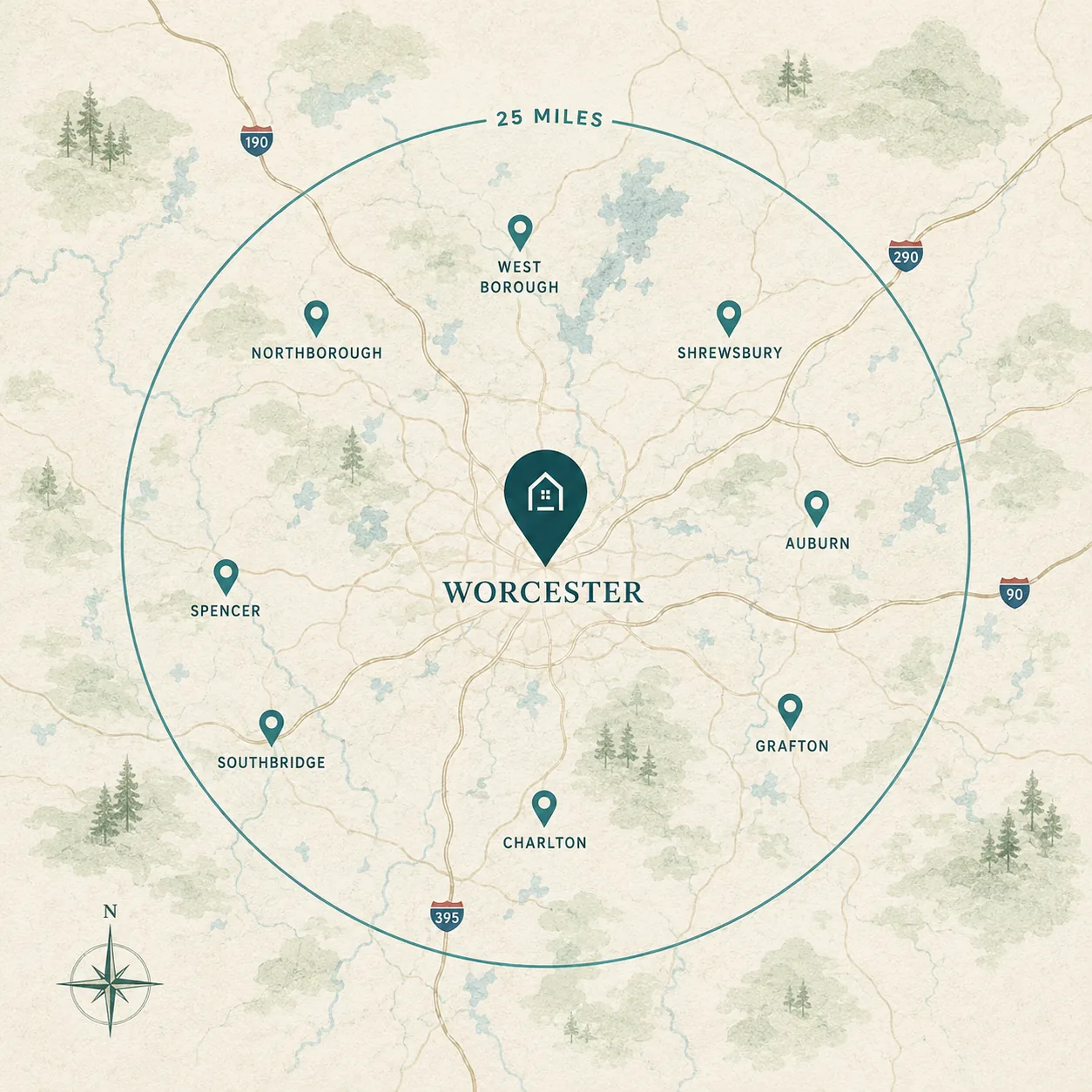
Local pickup is the specialty — Worcester County and 25 miles out. Same-day in the core Worcester zone, within 24 hours for surrounding towns including Auburn, Shrewsbury, Millbury, Holden, Leicester, Grafton, Westborough, Northborough, Oxford, Marlborough, Milford, and Leominster. The CDC's blood glucose monitoring guidance notes how often monitoring setups change — prescription switches, CGM upgrades, new meter systems — which is usually what creates a stockpile worth selling in the first place. When you have supplies you're done with, cash in hand same day beats a cabinet shelf indefinitely.
Text a photo to (617) 702-2220. Show the damage, the brand, and the expiration date clearly. Payment is cash, Cash App, or Venmo at the meetup, your call.
Frequently asked questions
Can I sell diabetic test strips if the box has a small dent?
A small dent may qualify with a deduction, depending on size. The benchmark is a quarter coin — damage smaller than that is evaluated case by case and usually results in a reduced offer rather than a rejection. Damage bigger than a quarter is an automatic no. Text a photo with the dent clearly visible and we'll quote what we can do.
What if the box is slightly crushed but the strips inside look fine?
The condition of the strips inside doesn't change the packaging requirement. If the crush is bigger than a quarter anywhere on the box, it's a hard no. If it's smaller, send a photo — there may still be a number with a deduction. The quote comes off the photo, so what we say is what you get at the meetup.
Does a torn corner automatically disqualify a box?
It depends on the size of the tear. A small tear at the corner smaller than a quarter may result in a deduction rather than an outright rejection. A large tear or one that affects the box's structural integrity is typically a disqualifier. A photo is the fastest way to get a definitive answer on your specific box.
Can I sell test strips if the inner seal is broken but the box looks fine from the outside?
No. A broken inner seal is a hard disqualifier regardless of how the outside of the box looks. Sealed packaging is a non-negotiable requirement — once the seal has been breached, the box is not accepted.
What if there is a small stain on the box?
Any blood on the box is an automatic no, even a small dried drop. For other types of staining — dirt, ink, minor surface marks — send a photo. We can usually tell from the image whether it's a disqualifier or just cosmetic.
I have some damaged boxes and some in perfect condition. Can I still sell the good ones?
Yes. Text photos of everything and we'll sort them out. Damaged boxes that don't qualify won't affect the quote on the boxes that do. Separating by brand before you photograph makes the quoting a little faster when you have several different types.
My box has a pharmacy label and some minor damage. What do I do?
Leave the label on before sending the photo. Peeling it yourself almost always rips the cardboard and can turn minor damage into major damage. We remove and shred labels at the office. Text a photo showing both the label and the damage area, and we'll quote what we can take.
Does the damage rule apply to Dexcom sensors and Omnipod pods too?
Yes. The same packaging condition requirements apply to Dexcom G6 and G7 sensors, FreeStyle Libre 2 and Libre 3 sensors, Omnipod 5 pods, and Omnipod Dash pods. The quarter benchmark, the sealed seal requirement, and the blood and moisture disqualifiers apply across all accepted product types.