Can You Sell Diabetic Test Strips With Sealed Boxes?
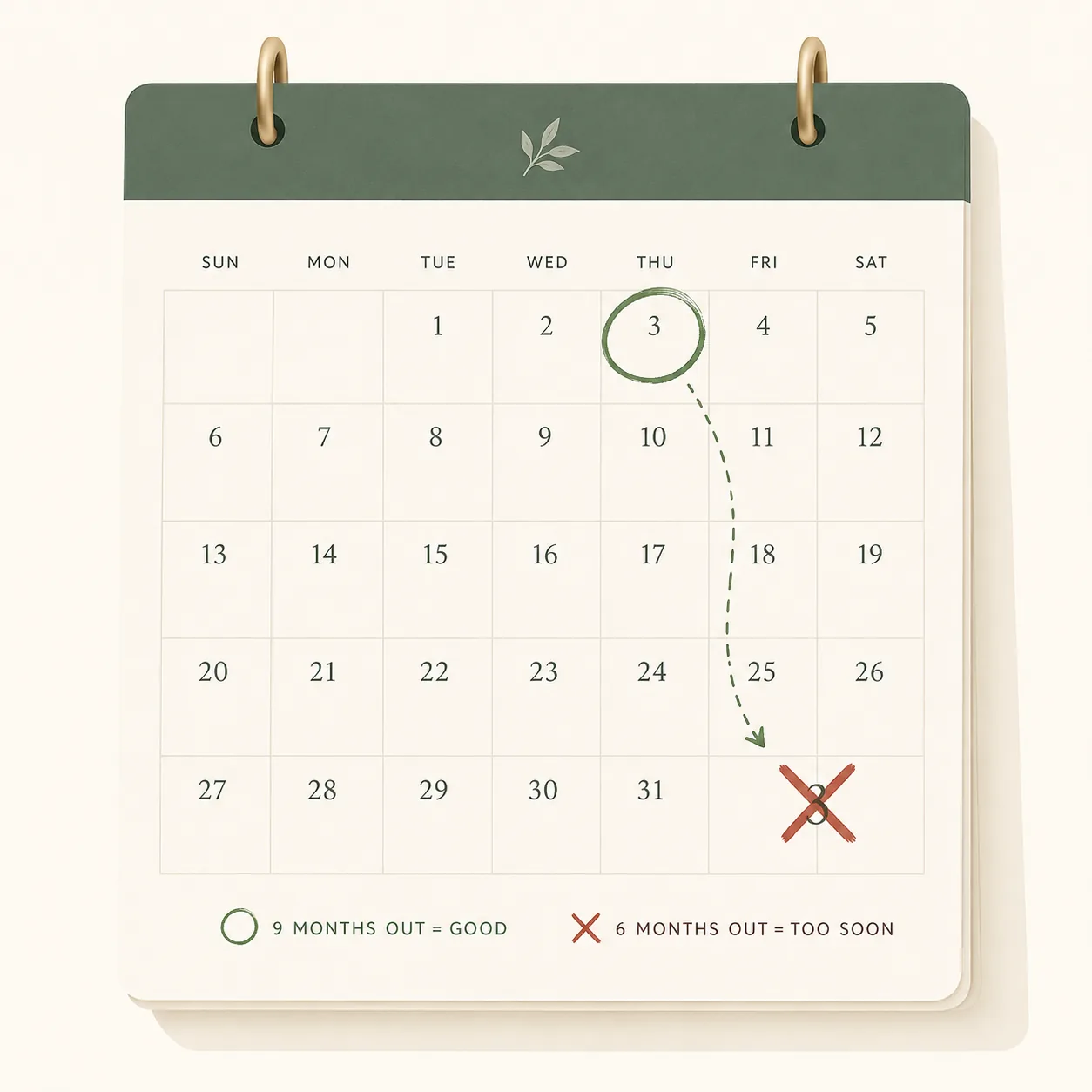
Can you sell diabetic test strips when boxes are still sealed? Yes. Sealed is exactly the condition a buyer is looking for. Every payout on our full price list assumes the box has never been opened. If the seal is intact, the expiration date is 9 or more months out, and the cardboard is in one piece, you are looking at the top of the range for your brand. Text a photo and a quote comes back in about 60 minutes during business hours.
Sealed is the condition that pays
Sealed means the manufacturer's tamper seal, foil overwrap, or blister pack on the box has not been broken. Not "closed." Sealed. A flap that has been folded back into place is not the same as a tab that has never been lifted. If the inner seal has been peeled back at any point, even to take out one strip, the whole box is off the table.
This is the single biggest factor separating a real payout from a hard no. Expired strips have the same problem: a 0% accept rate. Dating and box condition are the two things a customer can actually control before a photo goes out. Whether the seal is intact is the difference between a check and scrap.
The reason is structural. Every buyer further down the chain, from wholesalers to the pharmacies and clinics that eventually get the strips back on a shelf, will not touch a box that has been opened. There is no way to verify what happened to the strips inside. So the sealed rule is not a preference. It is what the whole market is built on.
What sealed diabetic test strips pay by brand
Full price on sealed, undamaged boxes at the full dating tier (9+ months to expiration for test strips, 7+ months for CGM sensors):
- Dexcom G6 (3-pack): up to $120
- Omnipod 5 (5-pack): up to $120
- Omnipod Dash pods (5-pack): up to $70
- Dexcom G7 15-day (single): up to $50
- Dexcom G7 (single sensor box): up to $35
- FreeStyle Libre 2 or 3 (single): up to $30
- FreeStyle Lite (100ct): up to $20
- FreeStyle Lite (50ct): up to $15
- Accu-Chek Guide (50ct): up to $7
- Meter: $5–$7
The full price guide has the complete list, including OneTouch, Contour Next, TRUE Metrix, and other accepted brands. If your brand or box size is not on that list, text a photo and we quote from there. Anything not on the accepted list (Bayer, Precision Xtra, Embrace, and generic or store-brand strips) has no resale market, sealed or not.
What can still lower a sealed-box offer
Sealed is the baseline. Three things can still move the number down from the top:
- Expiration date under the full tier. Test strips 3–8 months out, or CGM sensors 3–7 months out, will typically get an offer that scales with how close the date is. Under 3 months, send a photo first: some sensors still work at that window, most strips don't.
- Box damage. Damage larger than a quarter is a hard no. Smaller damage may be a deduction depending on where it is. A scuff on the side is treated differently from a crushed corner near the seal.
- Pharmacy label the customer tried to peel off. Peeling almost always tears the cardboard. Leave the label on. We remove and shred labels at the office before the strips go anywhere. More on that in the pharmacy labels post.
None of those three turns a sealed box into a zero on its own. They just move the offer down from full price. The one thing that turns a sealed box into a zero is opening it. That is why every step of the process is built around not touching the seal until the box is with a buyer who can properly handle it.
How to tell if a box is really sealed
The definition of "sealed" varies a little by product type. What matters is what the manufacturer originally put in place to show the box had not been opened.
Paper test strip boxes (Accu-Chek Guide, FreeStyle Lite, Contour Next, OneTouch, TRUE Metrix): look for the manufacturer's tamper strip on the top or side. Some are clear plastic tape, some are perforated cardboard tabs, some are foil bands around the vial inside. If you can lift the flap and see a loose bottle of strips inside without breaking anything, the box was already open.
CGM sensor boxes (Dexcom G6, G7, FreeStyle Libre 2 and 3): the outer cardboard sometimes has an overwrap and sometimes doesn't. What matters is the inner sensor pod tray or applicator seal. If the applicator has been popped out of the tray, that sensor is spent and cannot be sold. The rest of the sensors in a multi-pack, if their trays are still intact, are fine.
Pump supplies (Omnipod 5, Omnipod Dash pods): pods ship in shrink-wrapped 5-packs. Wrap intact, pods sellable. Wrap gone or pod tray broken, that pack is off.
If you cannot tell, take a picture from the angle where the seal should be visible and send it over. That is a lot cheaper than a wasted trip. Photos beat descriptions every time on condition questions.
Where the sealed inventory usually comes from
Most of the sealed test strips we buy came out of a stockpile that wasn't planned. Insurance ships fixed monthly quantities that don't always match how many strips a person actually uses. A doctor changes the plan and the old brand becomes irrelevant overnight. A move, a switch to a CGM, a prescription update. The strips are sealed because the person never needed them.
One customer's doctor moved them from finger sticks to a CGM. There were 15 boxes of FreeStyle Lite stacked on a shelf from the old routine — every one still sealed, every one still in date. The payout covered the entire CGM co-pay. The switch to the new setup effectively cost them nothing out of pocket, and the boxes went to a downstream buyer who could actually use them.
That is the pattern behind most sealed inventory. The strips are worth real money right up until the seal breaks or the expiration date passes. After either of those two things, the value is zero. Related reading: what to do with old strips after a CGM switch.
Why a "top dollar" quote is not the same as what you get
A lot of buyback services lead with phrases like "top dollar" or "best prices in the country." The number they advertise is not always the number that shows up on your check. The typical mail-in pattern is: they quote high off a photo, the customer ships the box, the company opens it, finds something to deduct on, and the revised number arrives days or weeks later. 9 out of 10 times they will not ship the supplies back if you disagree with the revised price. Once the box is in their hands, you are out of leverage.
Local pickup runs the opposite direction. The quote off your photo is what walks away with you at the meetup. If the box in person looks different from the photo — which almost never happens because you took the photo — the offer gets redone before payment. But you still have the box until the cash is in your hand. The local vs mail-in comparison covers that dynamic in more detail.
The FDA classifies blood glucose test strips as medical devices with specific storage and handling standards, which is why the sealed rule exists in the first place. The CDC estimates tens of millions of Americans manage diabetes, many of them receiving more supply than they use, which is why the market for sealed leftovers exists at all.
How to sell sealed diabetic test strips in Worcester County
Text a photo of the front of the box — brand, expiration date, and the seal visible — to (617) 702-2220. A quote comes back in about 60 minutes during business hours (Mon–Sat 9am–6pm EST, Sun 11am–4pm EST). If the number works, we set a same-day pickup across Worcester County and roughly 25 miles out: Worcester, Auburn, Shrewsbury, Millbury, Holden, Leicester, Grafton, Westborough, Northborough, Oxford, Marlborough, Milford, and Leominster.
Payment is cash, Cash App, or Venmo — your call — at the meetup. Since 2019, over 2,000 pickups and more than $250,000 paid out across Central Mass. The largest single pickup was $4,000. About 90% of customers come back with more supplies within the year, which mostly happens because sealed inventory keeps piling up in the same houses that had it the first time.
Frequently asked questions
What does "sealed" mean for a diabetic test strip box?
The manufacturer's tamper seal, foil overwrap, or blister pack has not been broken. A flap folded back into place is not sealed. If the inner seal has been peeled at any point, the box counts as opened.
Can I sell a sealed box that is close to the expiration date?
Depends on how close. 9 or more months out for test strips (7 or more for CGM sensors) is full price. Between 3 and 8 months out, the offer scales down. Under 3 months, send a photo — some sensors still work at that window, most strips do not.
What do sealed diabetic test strips pay?
Sealed, undamaged boxes at the full dating tier: Dexcom G6 3-pack up to $120, Omnipod 5 5-pack up to $120, Omnipod Dash 5-pack up to $70, Dexcom G7 15-day up to $50, Dexcom G7 single up to $35, FreeStyle Libre 2 or 3 up to $30, FreeStyle Lite 100ct up to $20, Accu-Chek Guide 50ct up to $7. The full price guide has every accepted brand.
How can I tell if my Dexcom or FreeStyle Libre sensor box is still sealed?
The outer cardboard sometimes has an overwrap and sometimes does not. What matters is the inner sensor pod tray. If the applicator has been popped out of the tray, that sensor cannot be sold. Sensors in a multi-pack whose trays are still intact are fine.
What if the pharmacy label is still on a sealed box?
Leave the label on. Peeling it almost always damages the cardboard and turns a clean payout into a deduction. We remove and shred labels at the office before the strips go anywhere. Send a photo if you're unsure.
Can I sell just one sealed box?
Yes. No minimum. A single sealed FreeStyle Lite 100ct in good shape with the right expiration date is up to $20. A single sealed Dexcom G7 is up to $35. Text a photo and we quote it.
What happens if the seal is broken on one box in a larger lot?
The opened box gets set aside. The sealed ones in the same lot still pay full price at their brand and dating tier. The rule is per box, not per pickup.
How fast can I get paid for sealed diabetic test strips?
Same-day in most cases across Worcester County and 25 miles out. Photo in, quote back in about 60 minutes during business hours, meetup scheduled. Payment is cash, Cash App, or Venmo at the meetup. No mailing anything, no waiting on a check.