How Diabetic Supply Buyback Works: Quote to Cash Payout
How diabetic supply buyback works is simpler than most people expect. Text a photo of what you have, get a quote back within about 60 minutes, and if you're in the pickup zone, cash is in your hand the same day. The part most first-time sellers want to know: what a buyer is looking for, what disqualifies a box, and where the supplies go after. That's what this covers.
What a diabetic supply buyback is
Insurance companies and mail-order pharmacies tend to ship supplies in bulk. Someone prescribed 12 boxes of test strips uses 8, changes brands, or switches to a CGM. They end up with sealed, unexpired product they can't return. A buyback buyer purchases those supplies and pays the seller before the expiration date makes them worthless.
The secondary market for diabetic supplies exists because those supplies are expensive and access to them is uneven. A single Dexcom G7 sensor retails for more than most people's grocery budget for a week. The same sensor, sealed and well within its expiration date, works just as well at a fraction of that cost. The CDC's national diabetes statistics document how many Americans manage diabetes with limited or no insurance coverage. A secondary supply market is one way unexpired supplies reach people who can use them.
How the quote and pickup process works
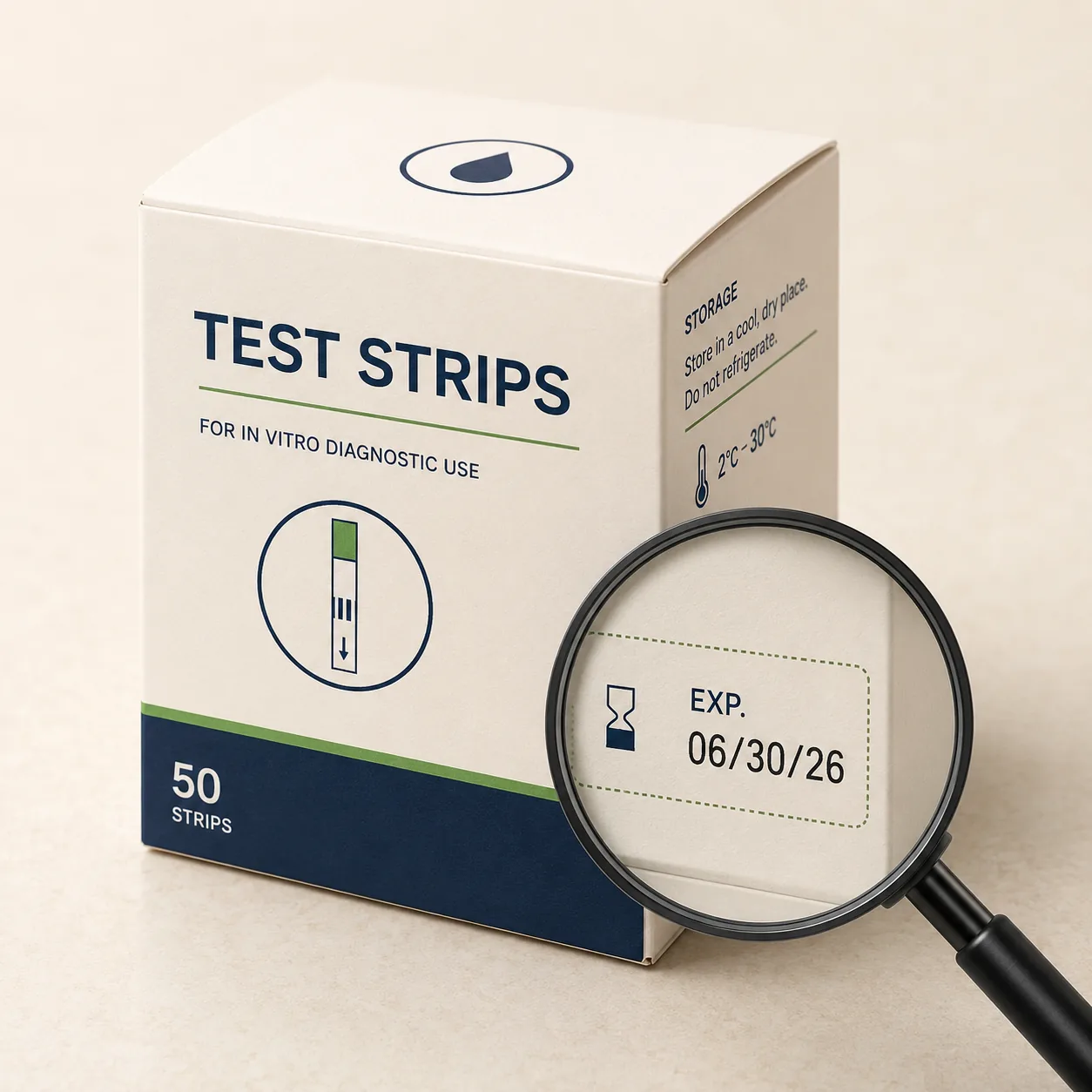
The process starts with a photo. Text a picture of the box front (brand, count, expiration date visible) to (617) 702-2220. A quote comes back within about 60 minutes during business hours (Mon–Sat 9am–6pm, Sun 11am–4pm). That number is what you walk away with at pickup. It doesn't get revised after we have the box.
The photo is the record. The quote is based on what the photo shows. If the box at pickup matches the photo (same condition, same expiration window), the price holds. Across more than 2,000 pickups and $250,000+ paid out since 2019, the quote off the photo has been the price at the door.
What can change it: visible damage that wasn't in the photo, or an expiration window that doesn't match the image. Those are disclosure issues, not re-grading. A buyer who adjusts the price simply because the box is now in their hands is worth noting before you agree to anything. The guide on choosing a diabetic test strip buyer covers what to ask before the pickup.
What buyers look at when evaluating your supplies
Condition first, then dating. Everything else follows from there.
- Expired test strips: hard no.
- Opened or broken-seal boxes: 0% accept rate, regardless of expiration date.
- Blood or moisture on the packaging: hard no. Even a drop, even if dry.
- Box damage bigger than a quarter: not accepted. Smaller damage may mean a deduction.
- Generic store brands, lancets, and ketone strips: not accepted.
On dating: test strips pay full price at 9+ months from expiration. CGM sensors pay full price at 7+ months. Below those tiers, pricing varies by brand and how much runway is left. Supplies in the 3–8 month range aren't an automatic no. The quote just reflects actual shelf life.
Pharmacy labels: leave them on. Peeling one off yourself almost always rips the cardboard and turns a clean payout into a deduction. We remove and shred labels at the office. The checklist for evaluating strip condition covers the full breakdown of what holds versus what doesn't.
Where the supplies go after the buyback
Supplies that pass condition and dating go to people who need them and can't afford retail. The chain: a patient with more supplies than they can use sells to a buyer. The buyer moves them to self-pay patients, people between insurance plans, and anyone stretching a fixed income across a chronic condition.
One customer had been on traditional test strips for years before their doctor moved them to a CGM. They had 15 boxes of FreeStyle Lite left over from the old setup. The lot sold for enough to cover the entire CGM co-pay. The switch cost them nothing out of pocket. That's the use case this market is built for: supplies that would have expired in a drawer, put to use before the date ran out.
The FDA's guidance on blood glucose monitoring devices explains why sealed supplies stored properly remain reliable within the labeled expiration date. Intact seal, good dating: the chemistry is valid. That's why they retain resale value.
How fast payment happens
Local pickup pays same-day across Worcester County and 25 miles out. Cash, Cash App, or Venmo at the meetup. The box doesn't leave your hands until you have the money.
For surrounding towns, pickup is usually within 24 hours or scheduled when routes run through the area. Larger pickups past 25 miles, up to about 50, get batched when there's enough volume. The largest single pickup came to $4,000. Same-day cash, same terms. The comparison of local pickup to other options covers the full picture for sellers weighing the trade-offs.
Supplies a buyback buyer can't take
Expired strips, opened boxes, or supplies with visible blood or moisture damage: a buyback buyer can't take those. Not because of a policy preference. Because no one on the receiving end can safely use them.
Generic store-brand strips, Bayer, Precision Xtra, and Embrace test strips don't have a secondary buyer pool. Neither do lancets and ketone strips. If you're not sure what you have, text a photo first. An honest answer on what qualifies is faster than a trip across Worcester County to hear it at the door. Current rates for every accepted brand are on the full price guide.
Don't sell supplies you actually need. If there's any chance you'll need those strips before your next refill, they're not surplus yet. Cash now versus the strips your body needs in 30 days isn't a trade worth making.
Frequently asked questions
How does a diabetic supply buyback work?
You text a photo of your supplies to the buyer — brand, count, and expiration date visible. They come back with a firm quote, usually within about 60 minutes during business hours. If you accept, they come to you for pickup and pay cash, Cash App, or Venmo at the door. The box stays in your hands until you have the money.
Who buys diabetic supplies through a buyback?
Local buyback buyers purchase sealed, unexpired supplies from patients who have more than they need. Those supplies go to self-pay patients, people between insurance plans, and others who can't afford full retail prices. The secondary market channels surplus supplies to people who can use them.
What condition do supplies need to be in to sell to a buyback buyer?
Sealed, undamaged box with no blood or moisture on the packaging. Expired strips are a hard no, as are opened or broken-seal boxes. Box damage bigger than a quarter is not accepted. For test strips, full price requires 9+ months from expiration. For CGM sensors, 7+ months. Below those tiers, the quote varies.
Where do diabetic supplies go after a buyback?
To people who need them and can't afford retail. Sealed supplies stored properly within their expiration date work just as well as a retail purchase. The secondary market channels them from people with surplus to people who are self-pay or between insurance cycles.
How fast does a local buyback buyer pay?
Same-day for Worcester County and 25 miles out. Cash, Cash App, or Venmo at the meetup. For surrounding towns, usually within 24 hours. Larger pickups past 25 miles get batched when routes run in that direction. The largest single pickup to date was $4,000, same-day cash.
Can you sell diabetic supplies with pharmacy labels on the box?
Don't peel the label yourself. Peeling almost always damages the cardboard and turns a clean payout into a deduction or a reject. Text a photo of the box first. If the supplies otherwise qualify, a label isn't an automatic disqualifier. We remove and shred labels at the office before anything gets moved.
What diabetic supplies doesn't a buyback buyer accept?
Expired strips, opened or broken-seal boxes, blood or moisture on the packaging, box damage bigger than a quarter, generic store brands, Bayer, Precision Xtra, or Embrace test strips, and lancets and ketone strips. If you're not sure, text a photo first.
Why do unused diabetic supplies have resale value?
Because a sealed, properly stored box within its expiration date works just as well as a retail purchase. Diabetic supplies are expensive, and the secondary market makes them accessible to people who can't afford retail. That price gap is why there's a buyer for sealed, unexpired supplies.