How to Choose a Diabetic Test Strip Buyer
How to choose a diabetic test strip buyer comes down to a few questions most people don't think to ask until it's too late. The posted price is only part of the decision. More important is whether that price holds after the buyer has the box. Payment timing, condition rules, and how a buyer handles gray-area situations all tell you more about a buyer than whatever number they put on a website.
What the quote method tells you
How a buyer quotes is the first and most useful signal. A buyer who asks for a photo (brand, count, expiration date) and comes back with a firm number is one who knows their market. That number is the price at the door. A buyer who hedges the quote, says they need to see the box first, or uses language like "up to [price] depending on condition" without defining what condition means is building in flexibility to adjust the offer after you've agreed to a pickup.
A contingent quote and a firm quote are different things. A contingent quote is only as good as the buyer's post-delivery assessment, and by then you're not in a position to push back effectively. A firm quote off a photo is a commitment. The photo is the record. If the condition at pickup matches the photo, the price holds.
At Test Strips Into Cash, quotes come off the photo. Text a picture of the box front to (617) 702-2220 and a number comes back within about 60 minutes during business hours (Mon–Sat 9am–6pm, Sun 11am–4pm). That number is what you get at pickup. Across more than 2,000 pickups and $250,000+ paid out since 2019, the quote off the photo has been the price at the door.
Re-grading is where most deals go wrong
Re-grading is when the price changes after the buyer has the box. The reasons given vary: condition assessment, dating adjustment, label issue, market change. Some of that is legitimate. A lot of it is not. The problem is that once you have handed off supplies, your position changes considerably.
A lot of buyback companies advertise "top dollar" or "best prices in the country," but the price on the website is rarely what you walk away with. The deduction comes after delivery. A real price is the number quoted off your photo, paid in cash that day. If a buyer won't commit to holding the quoted number before you agree to a pickup, that tells you something useful.
Ask directly: "Is the quote off my photo the number I get paid at pickup, or can it change after you see the box?" The answer is more informative than any rate on a website. A buyer who hesitates or qualifies the answer is worth noting before you hand anything over.
Payment timing
Local pickup pays same-day. Cash, Cash App, or Venmo at the meetup, your call. Mail-in typically means waiting 2–3 weeks after the buyer receives, processes, and approves the shipment. That gap matters, because if there's a dispute about the grade, the timeline gets longer while the box is already out of your hands.
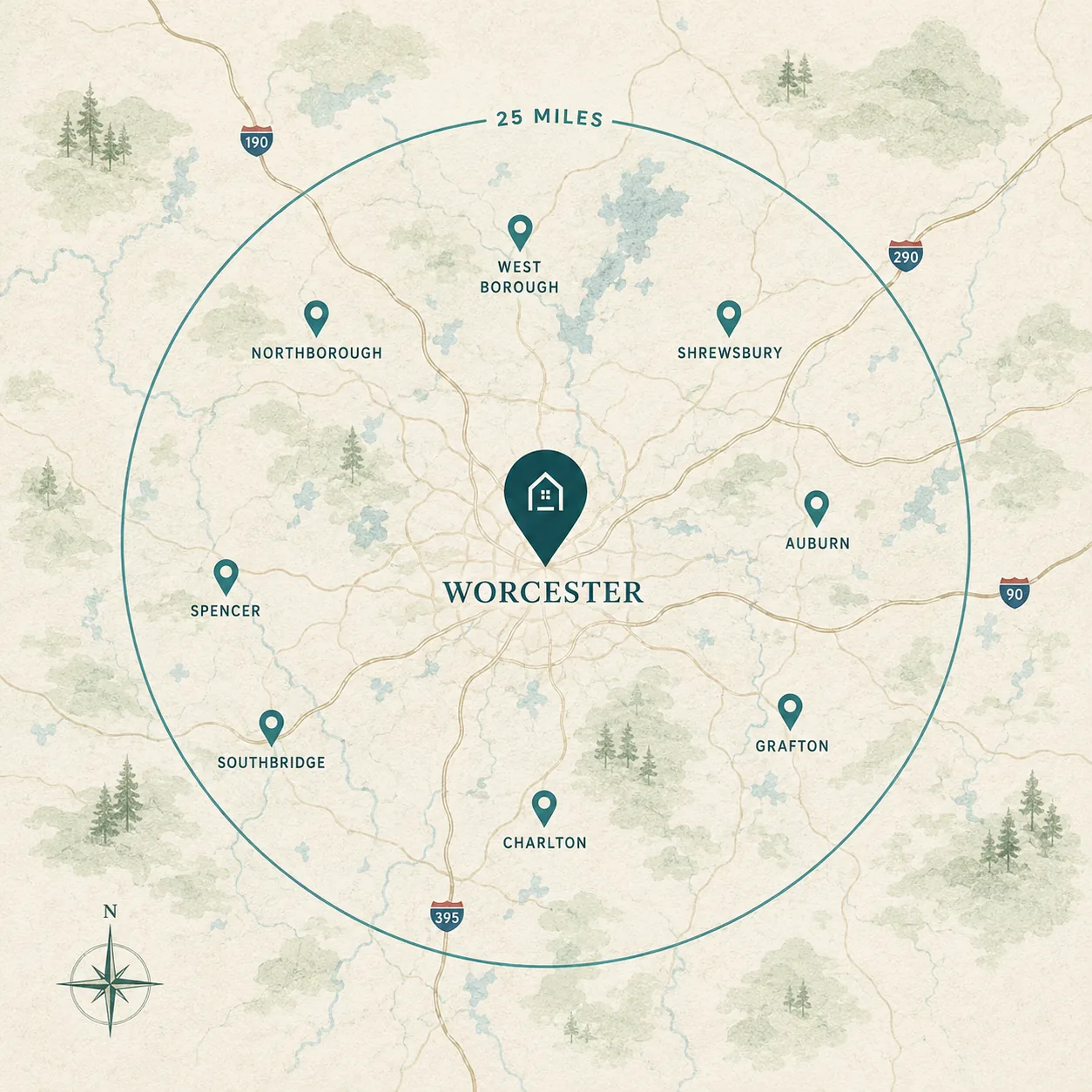
For Worcester County and 25 miles out, pickup is usually same-day in the core zone and within 24 hours for most surrounding towns. Outer towns and larger pickups get scheduled when we're running routes in that direction. The largest single pickup so far came to $4,000 — same terms, same-day cash at the meetup.
The comparison of local pickup to mail-in buyback covers the full picture of how the two options work in practice, including what typically happens when you disagree with a mail-in re-grade.
Condition rules — what straight looks like
A buyer who has done enough volume knows exactly what they can and can't take. Vague condition policies — "we assess each item individually" — are cover for post-delivery adjustments. Clear rules don't leave room for that.
- Expired strips: hard no, no exceptions.
- Opened or broken-seal boxes: 0% accept rate, regardless of expiration date.
- Blood on the packaging: hard no. Even a drop, even if dry.
- Box damage bigger than a quarter: not accepted. Smaller damage may mean a deduction.
- Generic or store-brand strips: not accepted.
Rules that specific don't leave much room for a post-delivery adjustment on condition. If a buyer can't tell you their rules in a text message before you bring anything over, that's useful information.
On pharmacy labels: don't peel them off yourself. Peeling almost always damages the cardboard and turns a clean payout into a deduction or a reject. We remove and shred labels at the office before anything gets moved. If you have boxes with labels still on, send a photo and ask first — don't touch the label.
The FDA's guidance on blood glucose monitoring devices and CDC diabetes resources explain why sealed, properly stored supplies remain reliable past their purchase date — which is the reason unexpired, unused supplies have a secondary market value at all.
Gray areas and how a good buyer handles them
Not everything is a clean yes or no. A few situations come up regularly:
Dating below the full-price threshold. Test strips pay full price at 9+ months from the expiration date. CGM sensors pay full price at 7+ months. Below those tiers, pricing varies by brand and how much runway is left. That's not a hard no on anything in the 3–8 month range — it's a quote that reflects actual shelf life. The guide to how expiration dates affect test strip value walks through the tiers in detail.
Brands not in the main price list. OneTouch, Accu-Chek, Contour Next, True Metrix — accepted and quoted by photo. No number without a photo.
Anything else that seems gray. Condition, label, unusual configuration — send a photo and ask. The answer is a quote or an honest "can't take those." Either one is useful. A buyer who won't engage with gray-area questions before pickup is one who will use that ambiguity at the door.
Questions to ask before you sell
Five worth asking any buyer before you agree to a pickup or send anything:
- "Will you quote off a photo, and is that number firm at pickup?"
- "Do you re-grade after you have the box in your hands?"
- "How long until I get paid?"
- "What's your policy on pharmacy labels?"
- "What happens if I disagree with a revised price?"
A buyer who answers those directly is worth your time. One who redirects to a FAQ or hedges on the re-grading question without a straight answer — take note. The guide on avoiding scams when selling test strips covers the full red-flag checklist for what a bad buyer looks like in practice.
Current rates as a baseline
Having a calibration point helps when comparing quotes. At current rates for sealed, undamaged boxes at full dating tier (9+ months for test strips, 7+ months for CGM sensors):
- Dexcom G6 3-pack: up to $120
- Omnipod 5 5-pack: up to $120
- Omnipod Dash pods 5-pack: up to $70
- Dexcom G7 15-day single: up to $50
- Dexcom G7 single: up to $35
- FreeStyle Libre 2 or 3 single: up to $30
- FreeStyle Lite 100ct: up to $20
If a quote comes back well under these for the same condition and dating, ask why. Full rates for every brand and count are on the full price guide.
Text a photo to (617) 702-2220. Quote comes back within about 60 minutes during business hours. Pickup is same-day across Worcester County and 25 miles out. Cash, Cash App, or Venmo at the meetup.
Frequently asked questions
What is the most important thing to look for in a test strip buyer?
Whether they quote off a photo before pickup — and whether that quote is the number you actually get paid. A buyer who adjusts the price after they have the box is not worth your time, regardless of their headline rate. Ask directly: 'Is the quote off my photo the number I walk away with?'
Do buyback companies re-grade after they receive your supplies?
Some do, many don't. Local buyers who quote off a photo and pay cash at pickup have no reason to re-grade — the transaction settles in person. Mail-in buyers have more flexibility post-delivery, which is where most pricing disputes happen. Ask the buyer directly before agreeing to anything.
How long does it take to get paid for test strips through a local buyer?
Same-day for Worcester County and 25 miles out. Cash, Cash App, or Venmo at the meetup. For surrounding towns outside the core area, pickup is usually within 24 hours. Mail-in buyers typically take 2–3 weeks from when they receive the shipment.
What questions should I ask a test strip buyer before selling?
Will you quote off a photo, and is that number firm at pickup? Do you re-grade? How long until I get paid? What's your policy on pharmacy labels? What happens if I disagree with a revised price? A buyer who answers those directly is worth your time.
Is a local test strip buyer better than a mail-in service?
For most sellers inside a pickup zone, yes. The cash is in your hand before the box changes hands, and there's no window for a post-delivery grade adjustment. Mail-in works for sellers without a local option, but the 2–3 week payment timeline and re-grading risk are real trade-offs.
How do I know if a buyback offer is fair?
Compare it against known rates for sealed, undamaged, full-tier boxes: Dexcom G6 3-pack up to $120, Dexcom G7 single up to $35, FreeStyle Libre 2 or 3 single up to $30, FreeStyle Lite 100ct up to $20. If a quote is well below these for the same condition and dating, ask why.
What should I do if my boxes have pharmacy labels on them?
Leave the label on. Don't peel it yourself — peeling almost always damages the cardboard and turns a clean payout into a deduction or a reject. Text a photo to (617) 702-2220 and ask. We remove and shred labels at the office before anything gets moved.