How to Avoid Scams When Selling Diabetic Test Strips
Most problems with how to avoid scams selling diabetic test strips trace back to the same moment: a buyer quotes a price, you ship the box, and the number drops once they have it in hand. Selling sealed, unexpired test strips is a real transaction. But some buyers use the shipping step as the point where they set the actual price. Knowing what to look for before anything gets put in the mail is how you protect your payout.
The re-grading trap is how most lowball scams work
Mail-in buyback starts the same way at every company: you enter your brand and count online, get a number, and ship the box. The final price, though, is not set until after the buyer has your supplies at their facility. They can call it a condition issue, a dating adjustment, or a label problem. By then, you have already shipped and given up the box.
Once you ship to a mail-in buyer, you are on their timeline. The company controls the grade, the dispute process, and how long any of it takes. 9 out of 10 times they will not ship the supplies back if you disagree with their revised price. The return shipping cost comes out of the already-reduced payout. Most sellers just accept the lower number because the alternative is paying to get their own box back.
One customer came to us after years of mailing his supplies in. He was tired of waiting up to 3 weeks to get paid and watching his quoted price get cut after the company had the boxes in hand. He switched to local pickup. He still comes back every few months with whatever has built up between his refill cycles. The cash-on-the-spot quote was the thing that kept him coming back — not the price per box, but the fact that the price didn't change between the quote and the pickup.
Red flags to check before you ship anything
A legitimate buyer is specific. Vague language is a warning sign. "Top dollar" and "best prices in the country" mean nothing without actual numbers per brand and count. If a site doesn't list what it pays for a FreeStyle Lite 100-count or a Dexcom G7 single sensor, there is no way to check whether the quote is fair until after you have already shipped.
- No physical address — only a PO box or a contact form with no other location info
- Phone number that goes straight to voicemail with no callback, or no number listed at all
- "Up to" pricing that doesn't explain what condition and dating actually get you that number
- Their rejection criteria are nowhere on the site — no mention of expired strips, open boxes, or damage
- Payment that arrives weeks after the box, with no specific timeline given upfront
What separates legitimate operations from the ones that play games is simple: whether the buyer locks your price before or after they have your box. The business itself is real — the practices are what vary.
What a legitimate buyer actually looks like
A trustworthy buyer quotes off your photo and that number holds. The quote you get before the pickup is the cash you walk away with. No adjustments once they see the box in person, because the photo already showed them what they needed to know. That is the only model where you have real price certainty before anything changes hands.
Look for a buyer who lists real prices. Not ranges and not "market rate." Actual numbers per brand and count. FreeStyle Lite 100-count boxes pay up to $20. Dexcom G6 3-packs pay up to $120. Dexcom G7 single-sensor boxes pay up to $35. Those are the kinds of numbers an operation with real pickups can put on a page and stand behind. The full price guide shows every brand and count we accept with current rates.
A legitimate buyer also tells you what they won't take. Opened boxes, expired strips, blood on the packaging, box damage bigger than a quarter — those should all be stated up front, not discovered at re-grade. If a buyer never mentions their rejection criteria, they may be keeping those as a pressure point for after they have your box.
A Google Business Profile with real reviews and a verifiable address is another marker. A buyer who has done 2,000+ pickups across Central Mass since 2019 has a track record you can look up. One with only a website and a submission form does not.
The photo quote vs. the post-shipping grade
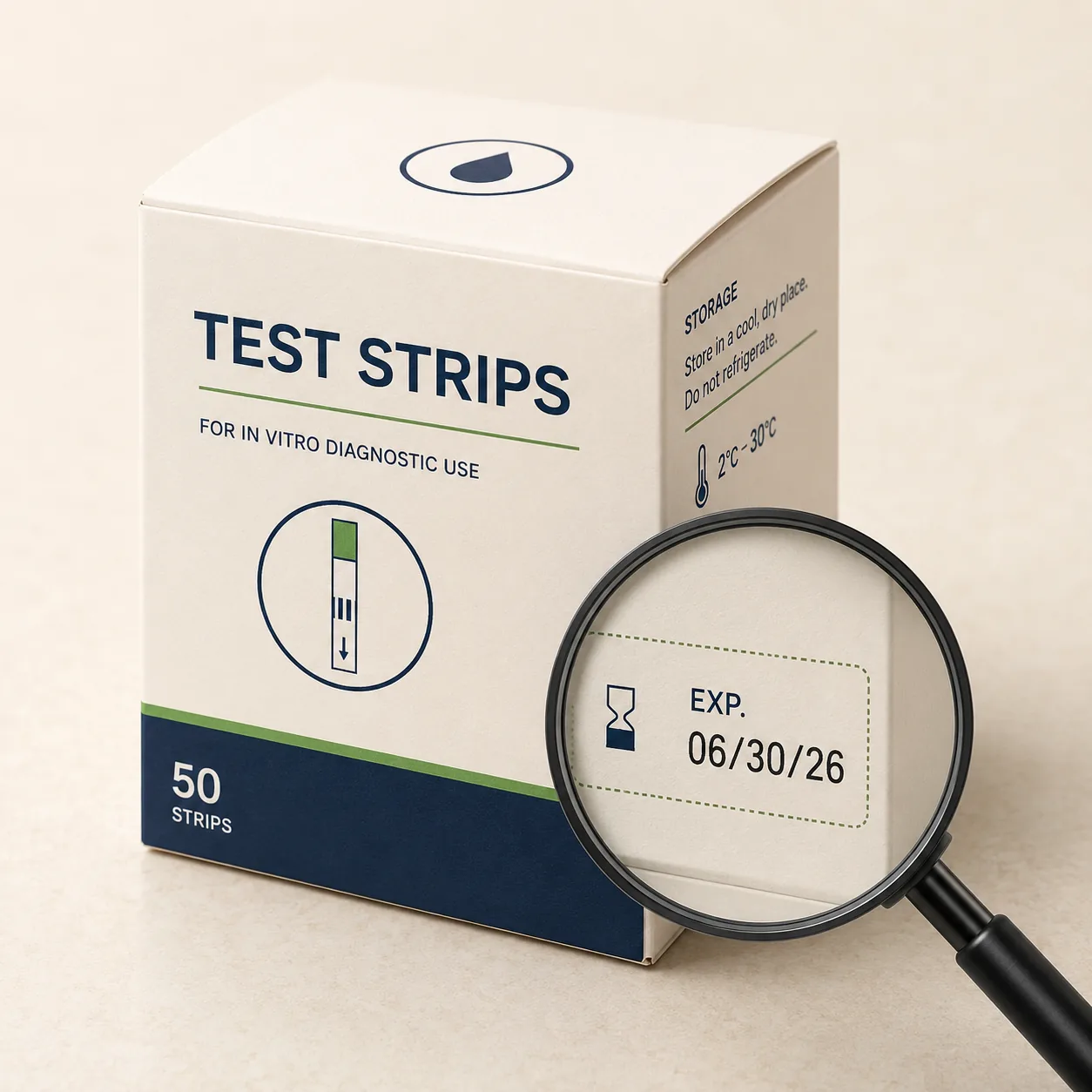
Local pickup changes the dynamic entirely. You text a photo showing the front of the box with the expiration date visible. The quote comes back. That number is what you get paid when we meet up, cash in hand. The box does not leave your hand until you see the money. There is no facility re-grade because there is no gap between when we see the supplies and when we pay.
With mail-in, you are trusting a stranger to grade your strips after you have already put them in the mail. The local vs. mail-in comparison covers the full breakdown. The short version: if you are inside the pickup zone, local is faster and the price is final before anything moves.
Text a photo to (617) 702-2220. During business hours (Mon–Sat 9am–6pm, Sun 11am–4pm), expect a quote back within about 60 minutes. Cash, Cash App, or Venmo at the pickup — same day in the core Worcester zone. That is what a locked quote actually looks like in practice.
Pharmacy labels and last-minute deductions
Pharmacy labels are one of the most common pressure points at the delivery or pickup stage. Some buyers use them as grounds for a deduction even when the label is intact and has not damaged the box. The right move is to leave the label alone. Peeling a pharmacy label off yourself almost always rips the cardboard, and a ripped box is a real deduction or a hard no. We remove and shred labels at the office before the strips go anywhere.
Gray-area boxes — unusual dating, anything you are unsure about — are not a reason to skip the quote entirely. Text a photo and ask. The answer comes back direct: if we can take it, we tell you what it pays; if we can't, we tell you why. No obligation on the quote, no pressure to proceed.
The guide on reading test strip expiration dates shows where the date is printed on each major brand's box and how to find it quickly. Dating is the first thing to check before texting a photo, because the expiration window is the single biggest factor in whether a box qualifies at full price.
For a full picture of what the secondary market is doing with sealed supplies and why the pricing works the way it does, the post on why test strips have resale value covers the economics behind the buyer side. Understanding why brands like Dexcom and FreeStyle command higher payouts makes it easier to spot a quote that is too low before you ship anything.
When selling does not make sense — and what to do instead
Sell only what you genuinely cannot use before expiration. The inventory that makes sense to sell is what built up from a brand switch, a CGM transition, a prescription frequency cut, or a refill cycle that ran ahead of actual usage. Not supplies that fill a real gap in your daily management. If you need those boxes in the next month or two, hold on to them.
We only want what you don't need. Take care of your health first. The scenario where someone sells strips today and needs them next month is not one worth making for either side. The supplies that have real cash value are the ones that are genuinely going to sit in a cabinet until they expire.
We have been running pickups across Worcester County and 25 miles out since 2019. More than 2,000 pickups, $250,000+ paid out across Central Mass. The transaction works because both sides get something real: you convert surplus into cash before it expires, and we find a supply chain for sealed, usable inventory. That equation only works if you are actually sitting on surplus. If you are not sure, text a photo and we will tell you straight.
Frequently asked questions
How do I know if a diabetic supply buyer is legitimate?
Look for a buyer who lists real prices per brand and count, has a physical address and a working phone number, states their rejection criteria upfront, and locks the price before the box changes hands. A quote that holds from photo to pickup, with cash paid the same day, is the clearest sign of a legitimate local operation.
What is re-grading in diabetic supply buyback?
Re-grading is when a mail-in buyer quotes you one price online, then lowers it after your supplies arrive at their facility. They cite condition issues, dating adjustments, or label problems. By that point you have already shipped, and 9 out of 10 times the company will not return the supplies if you disagree with the revised number.
What are red flags when selling test strips to a buyback company?
No physical address, no working phone number, vague pricing language like "top dollar" without brand-specific numbers, no stated rejection criteria, and payment that arrives weeks after you ship. A buyer who does not tell you what they refuse is keeping those limits in reserve for after they have your box.
Is it safe to mail diabetic test strips to a buyback company?
Mailing means you give up the box before the final price is set. If the buyer re-grades at their facility, your options are limited. Local pickup removes that risk: the quote is locked before anything changes hands and you see the cash before the box leaves your hand.
Can I get my test strips back if a mail-in buyer lowballs me?
Technically yes, but return shipping typically comes out of your payout and most companies make the dispute process slow enough that most sellers accept the lower number. With local pickup, the box never leaves your hand until you agree to the price — there is nothing to get back because the negotiation happens before the handoff.
Do legitimate diabetic supply buyers have real addresses?
Yes. A buyer with real operations has a physical presence you can verify. Test Strips Into Cash operates in Worcester, MA and serves Worcester County and 25 miles out. The phone is (617) 702-2220. A buyer with only a website and a submission form and no other contact information is a red flag.
What happens if my test strips have a pharmacy label on them?
Leave the label on. Peeling it yourself almost always damages the cardboard, which turns a clean payout into a deduction or a hard no. Text a photo and let us assess it. We remove and shred labels at the office before the strips go anywhere.
How long does a legitimate local test strip pickup take?
Text a photo, get a quote back within about 60 minutes during business hours (Mon–Sat 9am–6pm, Sun 11am–4pm). Same-day pickup in the core Worcester zone. Cash, Cash App, or Venmo at the meetup. The whole transaction from photo to payment can happen in one day. Mail-in services typically take one to three weeks and the final price is set at the end of that window.