Why Diabetic Test Strips Are Worth Money: Resale Explained
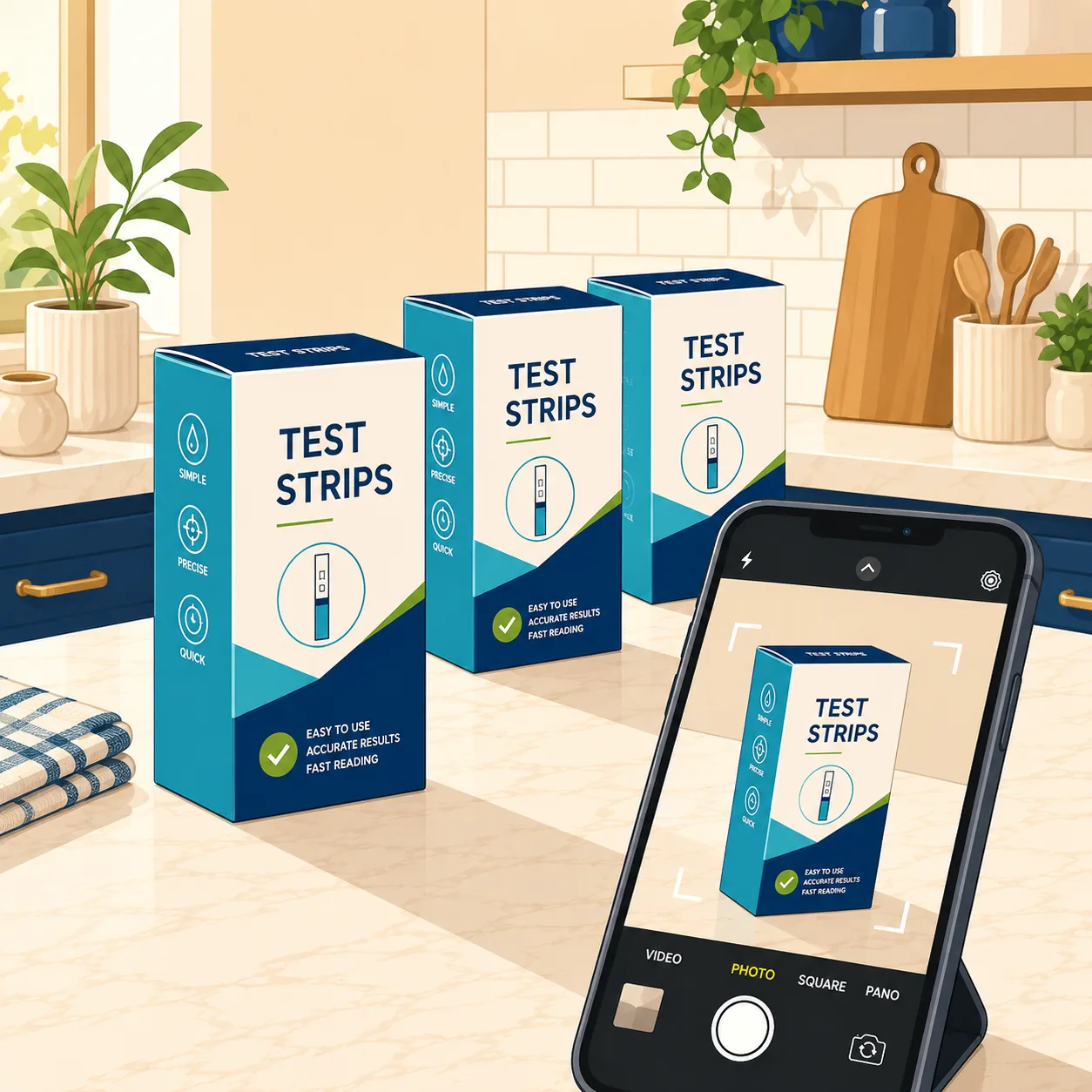
Diabetic test strips are worth money because a real secondary market exists for sealed, unopened supplies. Insurance ships on its own prescription schedule. Refills arrive whether or not the previous box is gone. A doctor switches you to a CGM, or cuts your testing frequency, and the boxes keep arriving anyway. That gap between what ships and what gets used is where the resale value comes from. Sealed boxes, right brand, dated 9 or more months out: there is a buyer for those.
Where the surplus comes from
Insurance has one setting: ship more boxes. Most plans run on a 90-day prescription schedule. If your testing frequency drops — because your doctor cut your daily test count, because you switched to a CGM, because your refill ran ahead of your actual usage — the shipments don't stop. A few months of that and you have more strips than you can realistically use before they expire.
Brand switches are the other common source. A prescription change from one test strip brand to another, or a full transition from test strips to a CGM, leaves sealed boxes from the old setup in the cabinet. Those boxes are undamaged, in original packaging, and dated right. They have real cash value if you sell them before the expiration clock runs out.
Estate situations produce the same pattern at a larger scale. Years of prescription refills build into a stockpile. When a family member has passed and the supplies are no longer being used, that inventory is often still sealed and well-dated. The guide on handling unused diabetic supplies after a death covers what qualifies, what the pickup process looks like, and how quickly a payout can happen.
What the secondary market actually looks like
Sealed, unexpired test strips from name-brand manufacturers move through a secondary market because the retail price for diabetic supplies is high and demand is consistent. Buyers are typically small local operations, larger mail-in programs, and wholesale intermediaries. The end destination for resold strips is usually buyers in markets where the same supplies cost significantly more out of pocket.
The supply mismatch the insurance system creates is structural. The FDA's home-use diagnostics page covers blood glucose monitoring devices, and the American Diabetes Association's diabetes technology resource shows how actively the monitoring landscape has shifted. CGM adoption means more people cycling off test strips entirely. That transition is the biggest single driver of surplus in the resale market right now.
The economics work because of the gap between what insurance reimburses and what the strips retail for elsewhere. Strips shipped on a prescription cycle cost the insurance system one number. In secondary markets, where buyers pay out of pocket, the retail price is higher. A buyer willing to pay $15 for a 100-count box of FreeStyle Lite can turn a profit on strips that would otherwise expire unused. That spread is what makes the transaction viable for every party.
What makes a test strip box worth full price
Two things determine the offer: dating and condition. Dating is checked off the expiration date printed on the outer carton. The full-payout tier requires 9 or more months before expiration. Boxes with 3 to 8 months left are quoted case-by-case. Under 3 months the numbers typically do not work.
- Factory seal intact — no opened perforations, no resealed tabs
- Box damage smaller than a quarter (bigger than a quarter is a hard no, no exceptions)
- No moisture on the box and no blood anywhere on the packaging
- Original brand-name manufacturer box, not repackaged
- Generic or store-brand strips are not accepted regardless of dating or condition
The guide on reading test strip expiration dates shows exactly where to find the date on each major brand's packaging and how to interpret the format. That is the first check before texting a photo.
Why the price varies so much by brand
The payout reflects the retail price of the brand in the secondary market. Brands with higher retail prices and active user bases command higher payouts. FreeStyle Lite 100-count boxes pay up to $20. Accu-Chek Guide 50-count boxes pay up to $7. The retail price difference between those two brands, and the relative demand for each in the secondary market, explains most of the gap.
CGM sensors follow the same logic at higher price points. Dexcom G6 3-packs pay up to $120. Dexcom G7 single-sensor boxes pay up to $35. Those are sealed, dated supplies for devices that retail for several hundred dollars per month. The spread between what insurance reimburses and what a secondary buyer will pay is larger, so the payout is larger. The full price guide has current rates for every brand we accept.
Brands we don't accept — generic store-brand strips, Bayer strips, Precision Xtra, Embrace — are not accepted because the secondary market for those is too thin to make the pickup economics work. The demand side drives the price. No buyers for a specific brand means no resale value, regardless of how good the condition is.
How the quote and pickup actually work
Text a photo to (617) 702-2220. Front of the box, expiration date in frame. Multiple boxes: one group photo is fine. During business hours (Mon–Sat 9am–6pm, Sun 11am–4pm), expect a quote back within about 60 minutes.
The quote off your photo is what you walk away with. No re-grading at the pickup. That is a direct difference from how mail-in services work. Once you put a box in the mail, the final grade happens at the buyer's facility. By then you have already given up control of the supply, and if they mark deductions, your options are limited.
One customer switching from FreeStyle Lite test strips to a CGM had 15 boxes left over. Sealed, dated right, untouched since the prescription changed. The payout covered the full CGM co-pay. The device switch cost them nothing out of pocket. That is the profile of surplus that has real value: inventory from a transition, not supplies you are still using.
Worcester County and 25 miles out, same-day in the core Worcester zone. Cash, Cash App, or Venmo the day of pickup, your call. We have been running these pickups since 2019 — 2,000+ pickups and $250,000+ paid out across Central Mass.
When it does not make sense to sell
Sell only what you genuinely cannot use before expiration. The surplus that makes sense to sell is inventory from a brand transition, a prescription frequency cut, a device upgrade, or a supply that has built up past your actual usage. Not supplies that fill a real gap in your day-to-day management.
We only want what you don't need. Take care of your health first. The scenario where someone sells strips today and needs them next month is not one worth making. If you're between refills and those boxes are still active supply, hold on to them.
Sealed strips from a transition, dated right, in clean packaging are exactly what we buy. Local buyback operations with real addresses and transparent pricing are a normal part of the secondary market — text a photo and you will have a quote within the hour.
Frequently asked questions
Why do diabetic test strips have resale value?
Test strips have resale value because a gap exists between what insurance ships and what people actually use. Prescription cycles continue even when testing frequency drops or a patient switches to a CGM. Sealed, unexpired, name-brand supplies move in a secondary market where buyers pay out-of-pocket prices that are higher than what the insurance system pays.
Who buys back diabetic test strips?
Local buyback operations like Test Strips Into Cash buy directly from individuals in a service area and pay the same day. Larger mail-in programs run nationwide but set the final price after they have your box in hand. Local pickup means the quote is locked before the supply leaves your hand — what we say off your photo is what you get paid.
What test strip brands are worth the most?
FreeStyle Lite 100-count boxes pay up to $20. Accu-Chek Guide 50-count boxes pay up to $7. CGM sensors command higher payouts: Dexcom G6 3-packs pay up to $120, Dexcom G7 single-sensor boxes pay up to $35. Brands with higher retail prices and more active secondary markets pay more. Generic or store-brand strips are not accepted.
How much can I get for a box of diabetic test strips?
It depends on the brand, the count, and the expiration date. FreeStyle Lite 100-count boxes pay up to $20. Accu-Chek Guide 50-count boxes pay up to $7. Both require a sealed box with 9 or more months before expiration for the full rate. Text a photo with the expiration date visible for a direct quote.
Do test strips expire quickly?
Test strips typically carry expiration dates 12 to 18 months from manufacture. The full-payout window is 9 or more months from expiration. Between 3 and 8 months it is quoted case-by-case. Under 3 months the numbers typically do not work. Check the date on the outer carton before texting a photo.
What happens to test strips after they are resold?
Resold strips move through a secondary market to buyers in markets where diabetic supplies retail at higher prices. The supply gets used before expiration rather than going in the trash. The resale chain works because of the gap between insurance-covered pricing and out-of-pocket retail prices in other markets.
Is it better to sell test strips locally or by mail?
Local pickup means the quote is final before the box changes hands. What we say off your photo is what you get paid, the same day. Mail-in services quote upfront but the final number is set after they have your box. The local vs. mail-in comparison covers the differences in detail.
Do I need to prepare the box before selling?
Nothing to do. Leave the box in its original condition. If there is a pharmacy label on it, do not peel it off — peeling almost always damages the cardboard and turns a clean payout into a deduction. We remove and shred labels at the office. Just text a photo of the front of the box with the expiration date visible.