What Happens to Your Diabetic Supplies After a Buyback
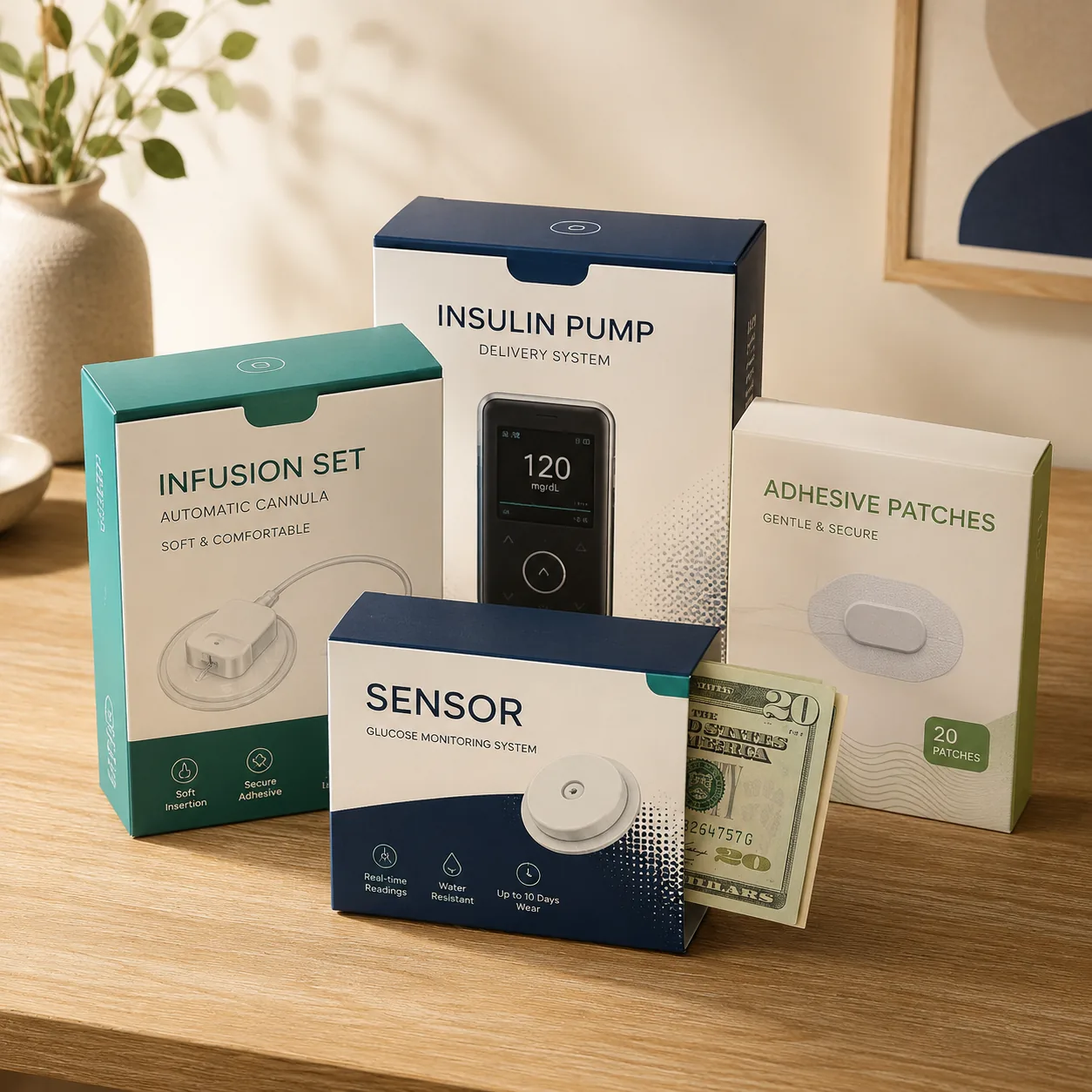
Sealed, unexpired boxes get resold. That's the short answer to what happens to diabetic supplies after buyback — the supplies move from someone who doesn't need them to someone who does, through a secondary market that has operated openly for years. The mechanics are worth understanding if you're curious whether your old strips end up somewhere useful, or if you want to know why condition standards matter so much to the buyers who take them.
The secondary market for diabetic supplies
The secondary market for diabetic test strips and CGM sensors has existed as long as insurance has been shipping more supplies than patients use. The CDC estimates more than 38 million Americans have diabetes, and a significant share of them receive insurance-funded supply shipments on a fixed refill schedule. Refills arrive whether the patient's usage has changed or not. Over time, a closet fills up.
The surplus gets sold to buyback buyers. The buyer resells it — into a market that includes people who need a supply bridge while insurance paperwork clears, or who can't afford retail prices for the same brand-name strips. That's the chain. The supplies don't disappear; they go from someone's overstocked shelf to someone who will actually use them.
Most consumer-purchased supplies are eligible for resale: a sealed, unexpired box in good condition is what the secondary market runs on.
What makes a box eligible for resale
Not every box that comes through buyback is resalable. The condition requirements aren't arbitrary — they exist because someone else is going to use these supplies on their body, and a broken seal or moisture-damaged box isn't acceptable at any price.
For test strips: sealed, undamaged box with 9 or more months until expiration. For CGM sensors: sealed box with 7 or more months out. Shorter dating reduces the offer or kills it entirely, because the resale window shrinks once the strips are closer to the date.
- Seal must be intact. An opened box is a hard no, no exceptions.
- No blood on the packaging, even dry. Hard no.
- No moisture damage or water marks on the box.
- Box damage bigger than a quarter isn't accepted; smaller damage may mean a deduction.
- Generic or store-brand strips aren't accepted.
The full eligibility list is on the price guide. If you're not sure whether a box qualifies, the fastest answer is a photo — text one to (617) 702-2220 and we'll quote it during business hours.
Are resold diabetic supplies safe
A sealed, unexpired box of test strips is chemically the same product as the same box at retail. The strips themselves haven't been touched. The FDA sets expiration standards for blood glucose test strips, and those dates mark when the manufacturer can no longer guarantee accuracy. Before the expiration date, a sealed strip performs the same way it did when it left the factory.
Condition requirements exist precisely to protect safety. If a seal is broken, the strips have been exposed to air and humidity. If there's moisture on the box, it may have reached the strips. Those aren't edge cases — they're the reason opened or damaged boxes aren't accepted. The full condition checklist for test strips explains what to look for before you send a photo.
What we can't take, and why
The hard nos aren't negotiable. Expired strips: 0% accept rate. Opened or broken-seal boxes: 0%. Any blood on the packaging: 0%, even a dry spot, even the corner of the box. Moisture damage: 0%. Box damage bigger than a quarter: 0%. These exist not to be difficult but because the downstream buyer deserves the same clean box the seller started with.
Brands not accepted at all: generic or store-brand strips, Bayer, Precision Xtra, Embrace test strips. Lancets and ketone strips aren't bought either. For any brand you don't see listed on the price guide, send a photo — it's faster than guessing.
One stockpile, one upgrade
One customer had 15 boxes of FreeStyle Lite strips left over after their doctor moved them to a CGM. The old strips were good — sealed, well-dated — but the meter was already gathering dust. We bought the lot. The payout covered their entire CGM co-pay. The transition to continuous monitoring cost them nothing out of pocket.
That's a clean version of the chain: surplus supplies that had nowhere to go, converted to cash, which funded the upgrade that made them surplus in the first place. The strips from that pickup didn't sit in a closet until they expired. They went somewhere. If you've switched to a CGM and have test strips left over, the same math applies.
Why local pickup keeps the chain clean
With a local pickup, the condition check happens face to face. The box you photographed is the box that gets inspected. If there's a discrepancy, it's caught on the spot — not three days after you've shipped it to a warehouse and already given up the box. The quote from the photo is the price you walk away with. No re-grading once the buyer has the supplies.
Mail-in moves the condition check to after you've given up the box. That's a structural problem if the buyer's incentives and yours aren't perfectly aligned. The comparison of local pickup vs mail-in covers why the re-grading risk matters.
Since 2019, more than 2,000 pickups across Worcester County and Central Mass, with over $250,000 paid out. The supplies from those pickups didn't sit in a warehouse — they moved. That's the whole point. The full walkthrough of how the buyback process works covers every step from photo to cash in hand.
Frequently asked questions
What happens to diabetic supplies after a buyback company buys them?
Sealed, unexpired supplies are resold in the secondary market — to buyers who need them at a price below retail, often people who are uninsured or between prescriptions. The condition requirements (intact seal, unexpired dating, no damage) exist because someone else will use them.
Can you resell diabetic test strips?
Yes — sealed, unexpired, consumer-purchased supplies are exactly what the secondary market runs on. Boxes that are opened, expired, or carry a pharmacy label are the ones that do not qualify.
Are resold diabetic supplies safe?
A sealed, unexpired box is chemically the same product as the same box bought at retail. The FDA sets expiration dates to indicate when accuracy can no longer be guaranteed. Buyback buyers who enforce strict condition requirements — intact seal, no moisture, no damage — pass on boxes that meet the same standard as a new purchase.
Why won't buyback companies take expired or opened strips?
Opened strips have been exposed to air and humidity, which can compromise the chemistry. Expired strips are past the date the manufacturer guarantees accuracy. Neither can be resold responsibly, so they're not accepted at any price.
Do buyback companies take any diabetic supply?
No. Common exclusions: expired strips, opened or broken-seal boxes, any box with blood or moisture on the packaging, box damage bigger than a quarter, generic or store-brand strips, Bayer, Precision Xtra, and Embrace test strips. Lancets and ketone strips aren't bought either. For anything you're not sure about, send a photo.
How much do buyback buyers pay for diabetic supplies?
Current payouts for sealed, well-dated boxes: Dexcom G6 (3-pack) up to $120, Omnipod 5 (5-pack) up to $120, Omnipod Dash (5-pack) up to $70, Dexcom G7 15-day (single) up to $50, Dexcom G7 (single) up to $35, FreeStyle Libre 2 or 3 (single) up to $30 each, FreeStyle Lite (100ct) up to $20, Accu-Chek Guide (50ct) up to $7. For boxes with shorter dating or anything not listed, text a photo for a quote.
Should I sell diabetic supplies I might still need?
No. If there's any chance you'll need those strips before your next refill, hold onto them. The buyback market exists for genuine surplus — supplies that would otherwise sit unused until they expire. Selling what you actually need isn't a trade worth making.